
In digital platforms where rapid information exchange is critical, the way notifications are structured plays a pivotal role in user experience and overall efficiency. Repetition in notifications, while often intended to ensure important messages are seen, can have unintended consequences that affect attention, decision-making, and engagement. Understanding redundancy costs in interface notifications requires analyzing how repeated signals influence cognitive load, behavioral responses, and perceived system reliability.
Redundant notifications initially seem beneficial because they increase the likelihood that a user notices critical information. For example, in high-stakes applications such as financial trading platforms or real-time sports betting interfaces, multiple alerts can ensure that users respond to time-sensitive changes. However, these benefits can quickly diminish when repetition leads to overstimulation. Users may experience notification fatigue, a phenomenon where the constant stream of alerts causes individuals to tune out, ignore, or dismiss messages entirely. This is particularly true when notifications are semantically identical, offering no additional value beyond the first message. The cumulative effect can reduce responsiveness to even high-priority alerts, negating the intended purpose of redundancy.
Cognitive load theory provides a framework for understanding why repeated notifications can be costly. Each alert, whether visual, auditory, or haptic, demands attention and processing resources. When users encounter multiple alerts conveying the same information, they must expend effort to filter and assess relevance, even subconsciously. This repeated engagement taxes working memory, leading to fatigue and decreased accuracy in tasks requiring sustained attention. In interfaces where users must make rapid decisions, such as live data dashboards or interactive betting platforms, this can result in slower reaction times, missed opportunities, and increased error rates.
Redundancy costs extend beyond cognitive fatigue. From a behavioral standpoint, repeated notifications can alter user perception of a platform’s reliability and professionalism. Excessive repetition may signal that the system lacks sophistication or that it cannot trust users to interpret a single alert, fostering frustration and undermining confidence. Conversely, well-calibrated notifications—where the system balances repetition with relevance—can enhance trust and user satisfaction. Effective systems often employ adaptive strategies, such as escalating alert urgency only if a prior notification remains unacknowledged, or varying the modality to maintain salience without overburdening users.
In addition to perceptual and cognitive impacts, redundancy has practical implications for engagement metrics. Platforms often track click-through rates, acknowledgment times, and user retention in response to notifications. When users encounter repeated messages, the initial click-through rate may decline over time as users develop habits of dismissal. This behavior, sometimes referred to as habituation, can reduce the effectiveness of communication strategies, making it harder to deliver critical updates and diminishing the perceived responsiveness of the system. Designers must therefore consider not only the frequency of notifications but also the informational value each instance provides, ensuring that repetition supports user goals rather than undermines them.
The temporal aspect of redundancy is also significant. Notifications sent in rapid succession can exacerbate cognitive load and emotional stress, whereas spacing alerts over longer intervals may mitigate fatigue while maintaining awareness. Timing strategies can be informed by user behavior analytics, including engagement patterns, response latencies, and historical attention to alerts. Systems that dynamically adjust notification cadence based on these metrics can reduce redundancy costs while sustaining effective communication.
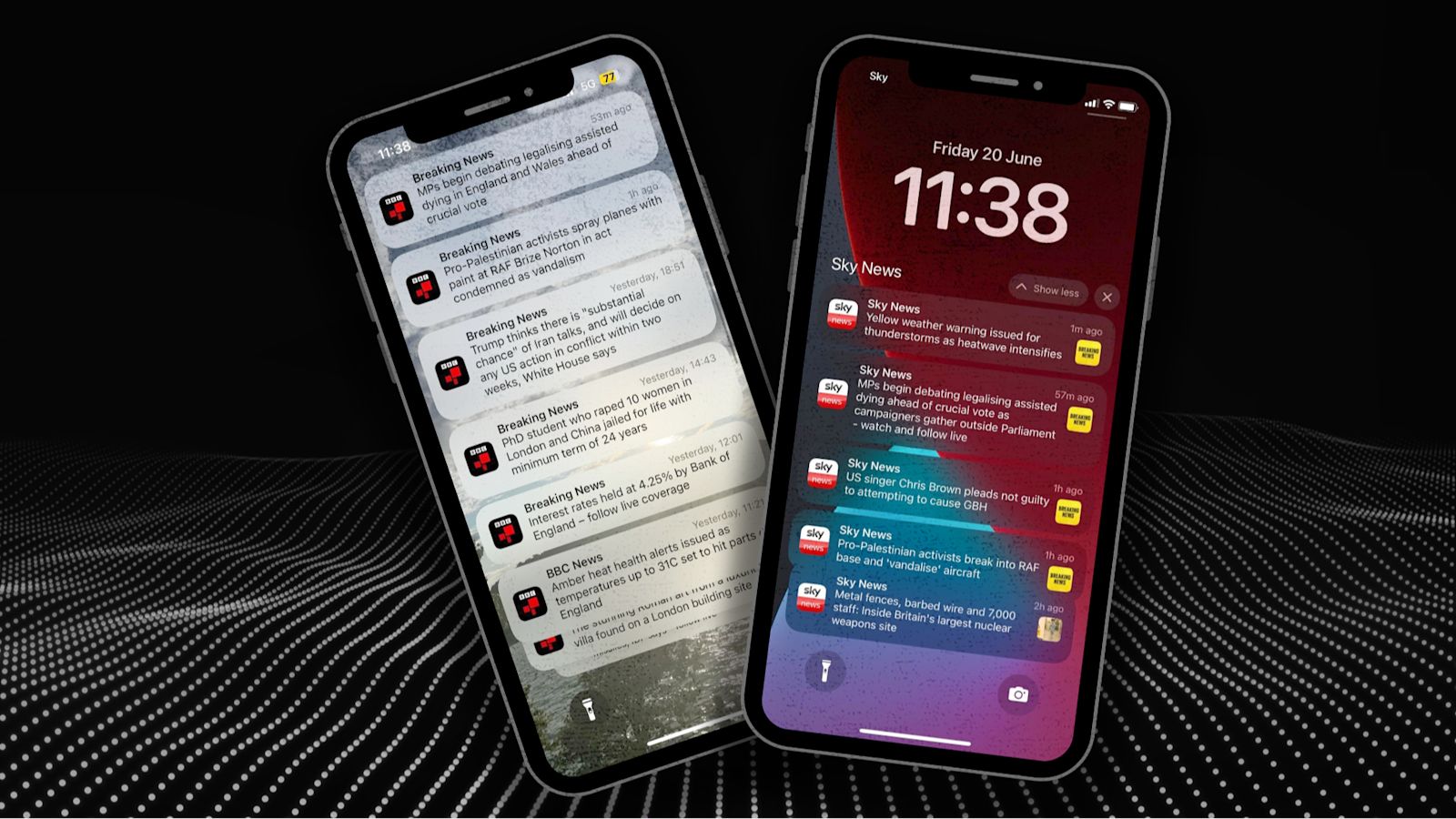
Another important factor is the modality of notifications. Visual alerts, sounds, vibrations, and push messages interact differently with user attention. Redundancy across multiple modalities can either reinforce critical information or create sensory overload. For example, an identical message presented simultaneously as a popup, a banner, and a push notification may overwhelm users, whereas staggered or contextually relevant multimodal alerts can enhance comprehension and prompt appropriate action. Effective interface design leverages these differences, ensuring that repeated signals are informative rather than intrusive.
Redundancy costs also intersect with decision-making processes. In high-pressure environments, users rely on heuristics to quickly interpret notifications. Repetitive messages that fail to provide new context can trigger automatic dismissal, reducing thoughtful engagement and potentially leading to suboptimal decisions. Conversely, when redundancy is strategically applied, such as highlighting critical thresholds or changes in data trends, it can support more informed decision-making by drawing attention to meaningful updates. Balancing these outcomes requires careful consideration of both content and context in notification design.
User personalization is a further dimension for mitigating redundancy costs. Allowing individuals to customize the frequency, modality, and priority of notifications can reduce fatigue and enhance perceived control. By tailoring alerts to personal preferences and task relevance, platforms can preserve the benefits of redundancy without imposing unnecessary cognitive or emotional burdens. Advanced systems may also incorporate learning algorithms that predict which notifications are essential based on past interactions, further optimizing communication while minimizing wasteful repetition.
In summary, redundancy in interface notifications represents a complex trade-off between ensuring visibility and imposing cognitive, behavioral, and perceptual costs. Excessive repetition can lead to fatigue, reduced responsiveness, and negative perceptions of platform reliability, while carefully calibrated redundancy can enhance awareness and support effective decision-making. Key strategies for mitigating redundancy costs include adjusting timing, varying modality, prioritizing informational value, and enabling user personalization. By balancing these factors, digital platforms can maintain the benefits of repeated alerts without overwhelming users, preserving both engagement and satisfaction in high-demand environments.



Leave a Reply