
In modern digital environments, the design of visual elements plays a pivotal role in directing user attention. Among these design strategies, gradient cues have emerged as a subtle yet highly effective method for guiding focus without overwhelming the user. Unlike bold contrasts or flashing indicators, gradients create a natural flow, gently leading the eye from one area of the interface to another. This approach relies on the human visual system’s sensitivity to gradual changes in color, brightness, or saturation, which can signal importance or hierarchy in a non-intrusive manner. By leveraging these perceptual tendencies, designers can manipulate attention pathways, ensuring that key information receives priority without the need for aggressive visual interruptions.
Gradients operate on multiple levels, combining both aesthetic appeal and functional guidance. They can establish depth, imply movement, or subtly highlight interactive elements. For instance, a gradient that shifts from a muted tone to a more vibrant hue can signal a call-to-action area or emphasize critical information in a dashboard. This technique is particularly effective in environments where user attention is fragmented, such as financial platforms, gaming interfaces, or educational tools. By directing focus naturally, gradient cues reduce cognitive load, allowing users to process information more efficiently while maintaining a sense of visual harmony.
The application of gradient cues extends beyond simple color transitions. Designers often employ directional gradients to create implied motion or flow, subtly suggesting where the user’s gaze should travel next. This can be seen in scrollable interfaces, where a gradient at the edge of a viewport indicates additional content, or in interactive elements, where gradients suggest the path of an action, such as swiping or dragging. The effectiveness of these cues is grounded in the Gestalt principles of visual perception, where continuity and gradual change influence the organization of elements and the perception of importance. Users, often unconsciously, respond to these gradients by following the visual flow they establish, leading to more intuitive navigation and interaction.
Attention guidance through gradients is not limited to horizontal or vertical axes; radial and angular gradients can also create focal points and direct user engagement. Radial gradients, which emanate from a central point, naturally draw attention inward, making them ideal for highlighting central content or primary interactive elements. Angular gradients, on the other hand, can suggest cyclical processes or rotational movement, guiding attention around a series of elements in a prescribed order. This flexibility allows gradient cues to adapt to a wide range of contexts, from minimalist applications emphasizing single actions to complex dashboards requiring hierarchical prioritization of multiple data streams.
A critical advantage of gradient-based guidance is its capacity to balance attention without generating fatigue. Unlike flashing elements or high-contrast indicators, which can lead to distraction or irritation over prolonged use, gradients encourage prolonged engagement by maintaining a visually comfortable environment. This is particularly important in scenarios requiring sustained attention, such as long-form reading, data analysis, or immersive digital experiences. By integrating subtle gradients into backgrounds, buttons, or informational panels, designers can continuously guide focus while preserving a sense of calm and cohesion in the user interface.
However, the deployment of gradient cues must be handled with precision and awareness of context. Poorly chosen gradients can mislead users, obscure content, or reduce legibility. High-saturation transitions may unintentionally draw attention away from critical information, while overly subtle shifts might go unnoticed, failing to provide effective guidance. Additionally, accessibility considerations must be taken into account, as colorblind users or those with low visual acuity may not perceive certain gradients as intended. To mitigate these risks, designers often pair gradient cues with other subtle indicators, such as shadows, borders, or size variations, creating a layered approach to attention guidance that remains inclusive and functional.
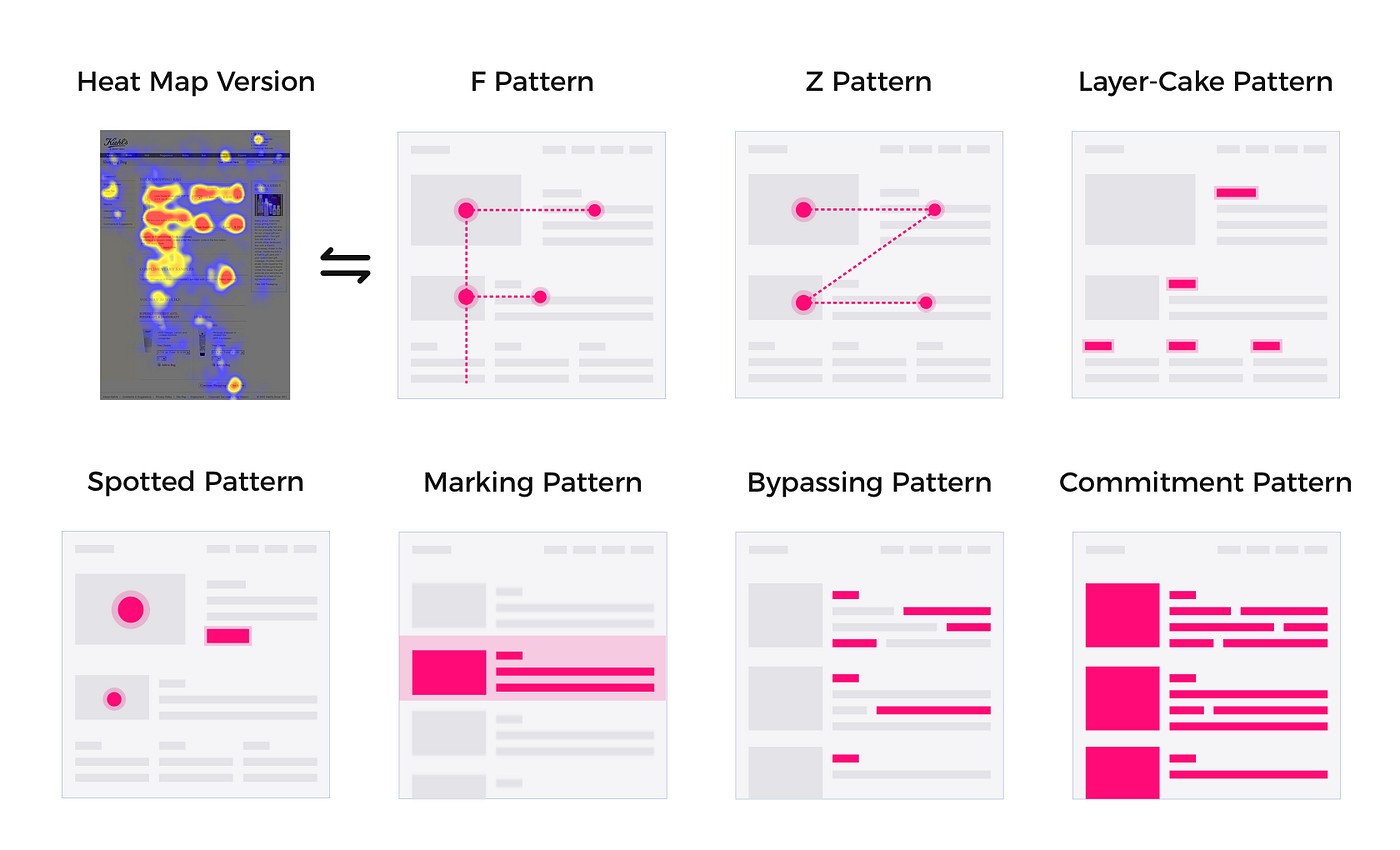
Empirical research on visual cognition supports the efficacy of gradient cues in attention management. Studies have shown that users are more likely to follow paths suggested by gradual visual transitions, resulting in faster task completion and higher information retention. Eye-tracking experiments indicate that areas with gradient shifts attract gaze more reliably than uniform or static regions, especially when the gradient aligns with the natural reading or scanning patterns of the interface. These findings underscore the value of gradients not only as aesthetic elements but as purposeful tools in user experience design, capable of shaping behavior subtly yet powerfully.
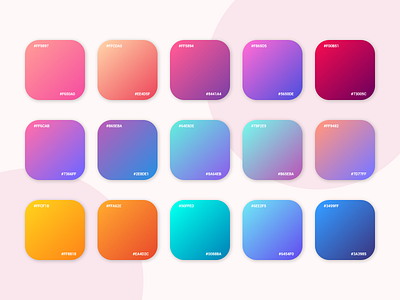
Moreover, gradient cues can reinforce brand identity and emotional response while guiding attention. The choice of colors, their intensity, and the direction of transition can evoke specific moods or associations, influencing how users interact with content. A soft gradient moving from warm to cool tones might convey approachability and calm, encouraging engagement with educational material or customer service interfaces. Conversely, a gradient that moves from dark to bright, saturated hues can create urgency or highlight time-sensitive information, guiding attention to promotions, notifications, or alerts. This dual functionality—managing attention while shaping perception—makes gradient cues a versatile instrument in digital design strategy.
In practice, effective use of gradient cues requires thoughtful integration with overall interface architecture. Designers must consider the hierarchy of information, the natural scanning behaviors of users, and the potential for visual overload. Gradients should complement, not compete with, other design elements, creating a seamless and cohesive flow. This often involves iterative testing, user feedback, and careful observation of interaction patterns to ensure that gradients achieve the intended guidance without unintended distraction. Additionally, responsive design considerations are crucial, as gradients must adapt to varying screen sizes, resolutions, and lighting conditions, maintaining their effectiveness across devices and contexts.
Ultimately, gradient cues represent a sophisticated method of directing attention that aligns with the subtleties of human perception. They exemplify a principle of design that prioritizes natural, unobtrusive guidance, allowing users to navigate interfaces efficiently and intuitively. By harnessing gradual shifts in color, light, and saturation, designers can create a visual language that communicates hierarchy, focus, and interaction pathways seamlessly. As digital experiences become increasingly complex and attention becomes a premium resource, gradient cues offer a refined, cognitively aligned approach to managing user focus, balancing functionality, aesthetics, and user comfort in a single, elegant strategy.
The strategic implementation of gradient cues extends beyond mere visual decoration; it represents a philosophy of attention stewardship in interface design. By understanding how subtle variations influence perception, designers can craft experiences that feel effortless yet are meticulously guided, supporting both usability and engagement. The nuanced application of gradients demonstrates that attention management does not always require forceful indicators; instead, the gentle persuasion of color and brightness can lead users naturally through content, ensuring that critical information is noticed, interactions are intuitive, and the overall experience is harmonious and effective.




Leave a Reply